
Dive into the delightful traits of British Shorthair characteristics in Jacksonville—from their plush appearance and gentle temperament to ideal care tips. Raised with love at Pink Paws Cattery, these kittens make exceptional companions.
The British Shorthair has a rich and storied history that dates back to ancient times. This breed is believed to have descended from the domestic cats brought to Britain by the Romans around 2000 years ago. These early cats were valued for their ability to control vermin, and they quickly adapted to the British climate and lifestyle.
Over the centuries, they became a staple in British households, cherished not only for their hunting prowess but also for their companionship. The breed’s robust nature and distinctive appearance began to take shape during this time, laying the groundwork for what we now recognize as the British Shorthair. In the late 19th century, the British Shorthair gained formal recognition as a distinct breed.
The first cat show, held at Crystal Palace in London in 1871, showcased these charming felines, capturing the hearts of many. The breed’s popularity soared, and it became a symbol of British culture. However, the two World Wars took a toll on their numbers, leading to a decline in their population.
In the post-war era, dedicated breeders worked tirelessly to revive the breed, focusing on preserving its unique characteristics while ensuring its health and vitality. Today, the British Shorthair stands as one of the most beloved cat breeds worldwide, celebrated for its charming demeanor and striking appearance.
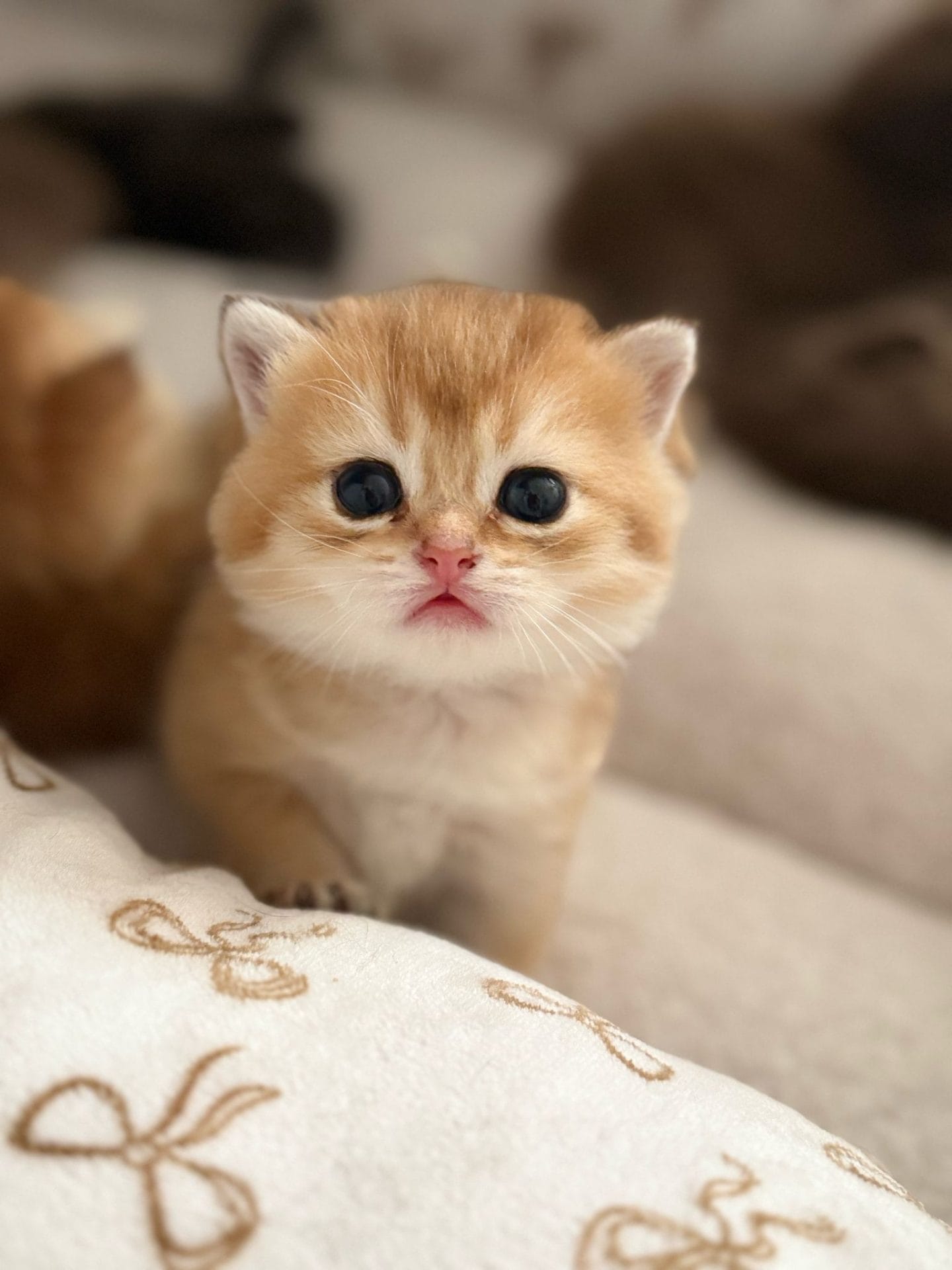
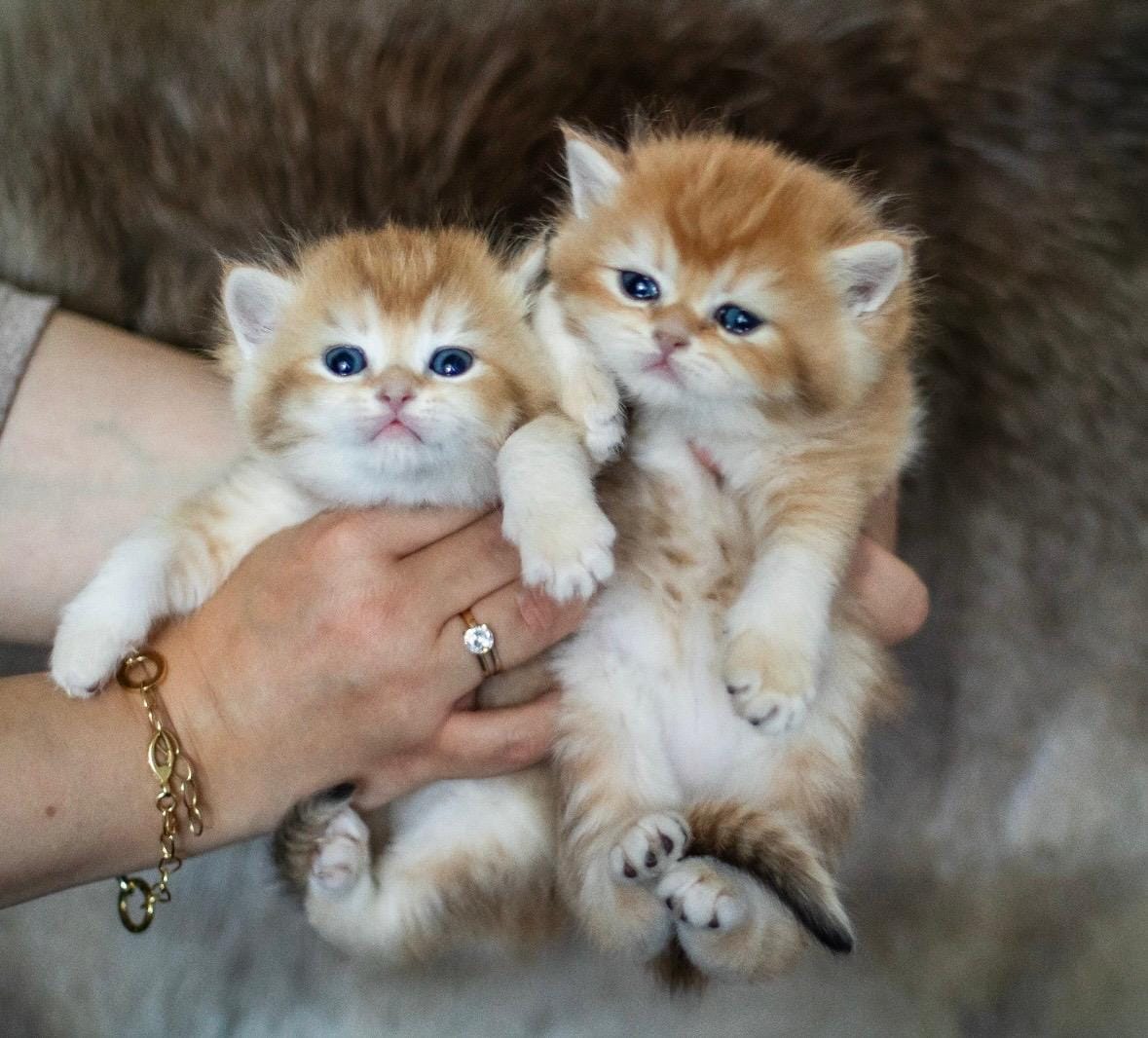
When we think of the British Shorthair, one of the first things that come to mind is its distinctive physical appearance. This breed is characterized by its stocky build, broad chest, and powerful legs. Their round faces are framed by chubby cheeks, giving them an endearing expression that many find irresistible.
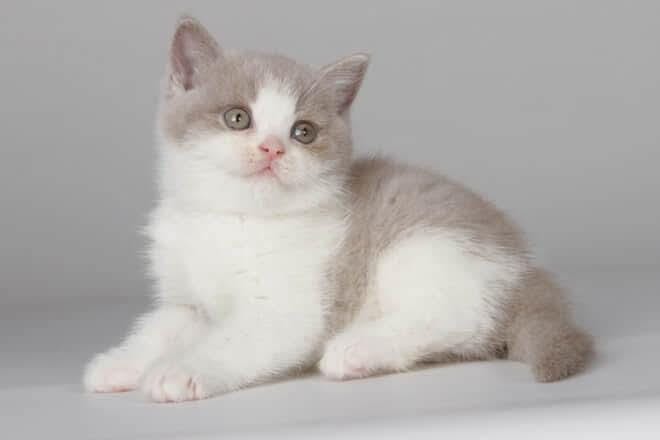
The eyes of a British Shorthair are large and round, often exhibiting a copper or gold hue that adds to their charm. Their short, dense coat is another hallmark of the breed, providing a plush feel that invites petting and cuddling. The variety of colors and patterns in which British Shorthairs come is truly remarkable.
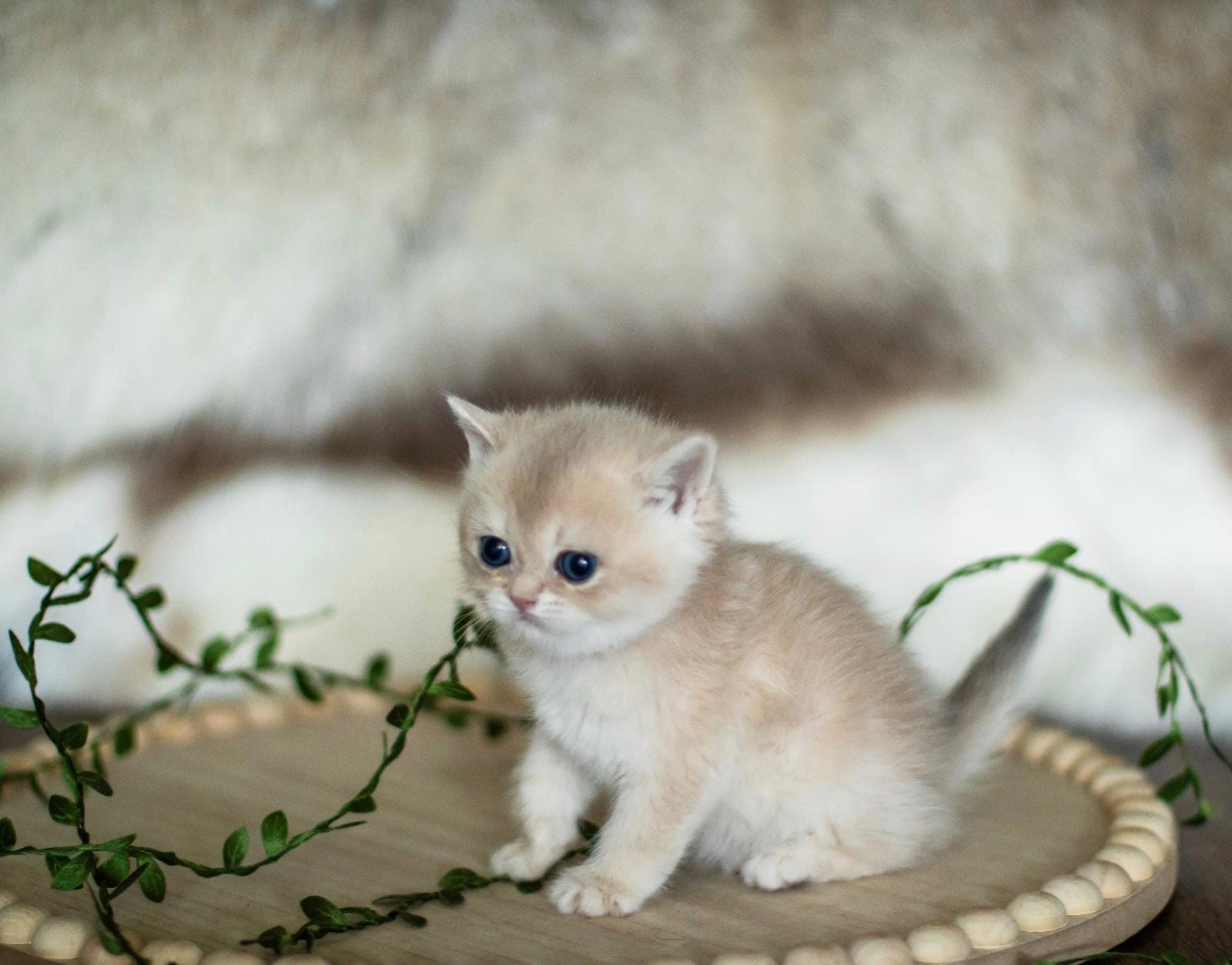
While the classic blue-gray color is perhaps the most recognized, they can also be found in a wide array of shades, including cream, black, white, and even tabby patterns. This diversity allows us to choose a British Shorthair that resonates with our personal aesthetic preferences. Additionally, their sturdy build contributes to their overall health and longevity, making them a popular choice among cat enthusiasts who appreciate both beauty and resilience in their feline companions.
The temperament of the British Shorthair is one of its most appealing attributes. These cats are known for their calm and easygoing nature, making them excellent companions for families and individuals alike. They tend to be affectionate without being overly demanding, striking a perfect balance that many cat owners appreciate.
Their laid-back demeanor allows them to adapt well to various living situations, whether in a bustling household or a quieter environment. Moreover, British Shorthairs are often described as independent yet social. They enjoy spending time with their human companions but are also content to entertain themselves when needed.
This independence makes them suitable for owners who may not be home all day. However, they do thrive on interaction and can form strong bonds with their families. Their playful yet gentle nature means they often get along well with children and other pets, making them a versatile choice for many households.
| Aspect | Details |
|---|---|
| Grooming | Regular brushing to prevent matting and reduce shedding |
| Bathing | Occasional baths to keep the coat clean and healthy |
| Nail trimming | Regular nail trimming to prevent overgrowth and discomfort |
| Ear cleaning | Weekly ear cleaning to prevent wax buildup and infections |
| Teeth care | Regular teeth brushing to prevent dental issues |
Caring for a British Shorthair involves regular grooming to maintain their beautiful coat and overall health. Their short, dense fur requires minimal maintenance compared to long-haired breeds; however, we should still brush them at least once a week to remove loose hair and prevent matting. This grooming routine not only keeps their coat looking its best but also provides an opportunity for bonding between us and our feline friends.
In addition to brushing, we should pay attention to other aspects of grooming, such as nail trimming and dental care.
Regularly checking and trimming their nails helps prevent overgrowth and discomfort.
Dental hygiene is equally important; we can introduce tooth brushing early on or provide dental treats designed to promote oral health.
By establishing these grooming habits early in our British Shorthair’s life, we can ensure they remain healthy and happy throughout their years with us.
Like all breeds, British Shorthairs are prone to certain health issues that potential owners should be aware of. One common concern is hypertrophic cardiomyopathy (HCM), a genetic condition that affects the heart muscle and can lead to serious complications if left untreated. Regular veterinary check-ups are essential for early detection and management of this condition.
Additionally, we should be vigilant about maintaining a healthy weight for our cats, as obesity can exacerbate various health problems. Another issue that may arise in British Shorthairs is dental disease due to their unique jaw structure. Regular dental check-ups and proper oral care can help mitigate this risk.
Furthermore, we should be aware of potential joint issues as they age; providing them with a balanced diet and appropriate exercise can help maintain their mobility and overall well-being.
By staying informed about these common health concerns, we can take proactive steps to ensure our British Shorthairs lead long, healthy lives.
Starting training early in their lives helps establish good habits and strengthens our bond with them. Basic commands like “sit” or “come” can be taught through consistent practice and patience.
Socialization is equally important for British Shorthairs. Exposing them to various environments, people, and other pets from a young age helps them develop into well-rounded adults.
We can create positive experiences by introducing new stimuli gradually and ensuring that each encounter is pleasant. This approach will help our cats feel more comfortable in different situations and reduce anxiety or fearfulness as they grow older.
Living with a British Shorthair can be an incredibly fulfilling experience, but it does come with its own set of considerations. One key aspect is providing them with an enriching environment that stimulates both their physical and mental well-being. We can achieve this by offering various toys, scratching posts, and climbing structures that allow them to explore and play safely within our homes.
Additionally, establishing a routine can help our British Shorthairs feel secure in their environment. Regular feeding times, play sessions, and grooming routines create predictability that many cats find comforting. We should also ensure they have access to cozy resting spots where they can retreat when they need some quiet time.
By creating a nurturing atmosphere that caters to their needs, we can foster a happy and healthy relationship with our feline companions.
When it comes to finding the perfect British Shorthair for our homes, there are several factors to consider. First and foremost, we should seek out reputable breeders or rescue organizations that prioritize the health and well-being of their cats. A responsible breeder will provide us with information about the cat’s lineage, health screenings, and any potential genetic issues associated with the breed.
Moreover, we should take our lifestyle into account when choosing a British Shorthair. Considerations such as our living situation, activity level, and whether we have children or other pets will influence our decision. Meeting potential cats in person can also help us gauge their temperament and compatibility with our family dynamic.
Ultimately, finding the right British Shorthair involves careful consideration of both our preferences and the needs of the cat itself. In conclusion, the British Shorthair is a breed steeped in history with unique physical characteristics and an endearing personality that makes it a favorite among cat lovers worldwide. By understanding their grooming needs, health concerns, training requirements, and how best to integrate them into our lives, we can ensure that our time with these charming felines is both enjoyable and fulfilling.
Whether we are drawn to their striking appearance or their gentle demeanor, welcoming a British Shorthair into our homes promises companionship that enriches our lives in countless ways.
If you are interested in learning more about British Shorthair characteristics, you may want to check out the article on Pink Paws Cat website titled “Cats Available.” This article provides information on the availability of British Shorthair cats and their unique traits. You can find the article here.
British Shorthair cats are known for their round faces, stocky bodies, and dense, plush coats. They have large, round eyes and a short, thick tail.
British Shorthair cats are known for their calm and easygoing nature. They are affectionate and enjoy being around their human companions, but they are not overly demanding for attention.
British Shorthair cats come in a variety of colors and patterns, including blue, black, white, cream, and silver. They can also have tabby, tortoiseshell, and colorpoint patterns.
British Shorthair cats are generally good with children and other pets. They are known for their gentle and tolerant nature, making them a good choice for families with kids or other animals.
British Shorthair cats have dense, plush coats that require regular grooming to prevent matting and shedding. Regular brushing and occasional baths are recommended to keep their coat in good condition.