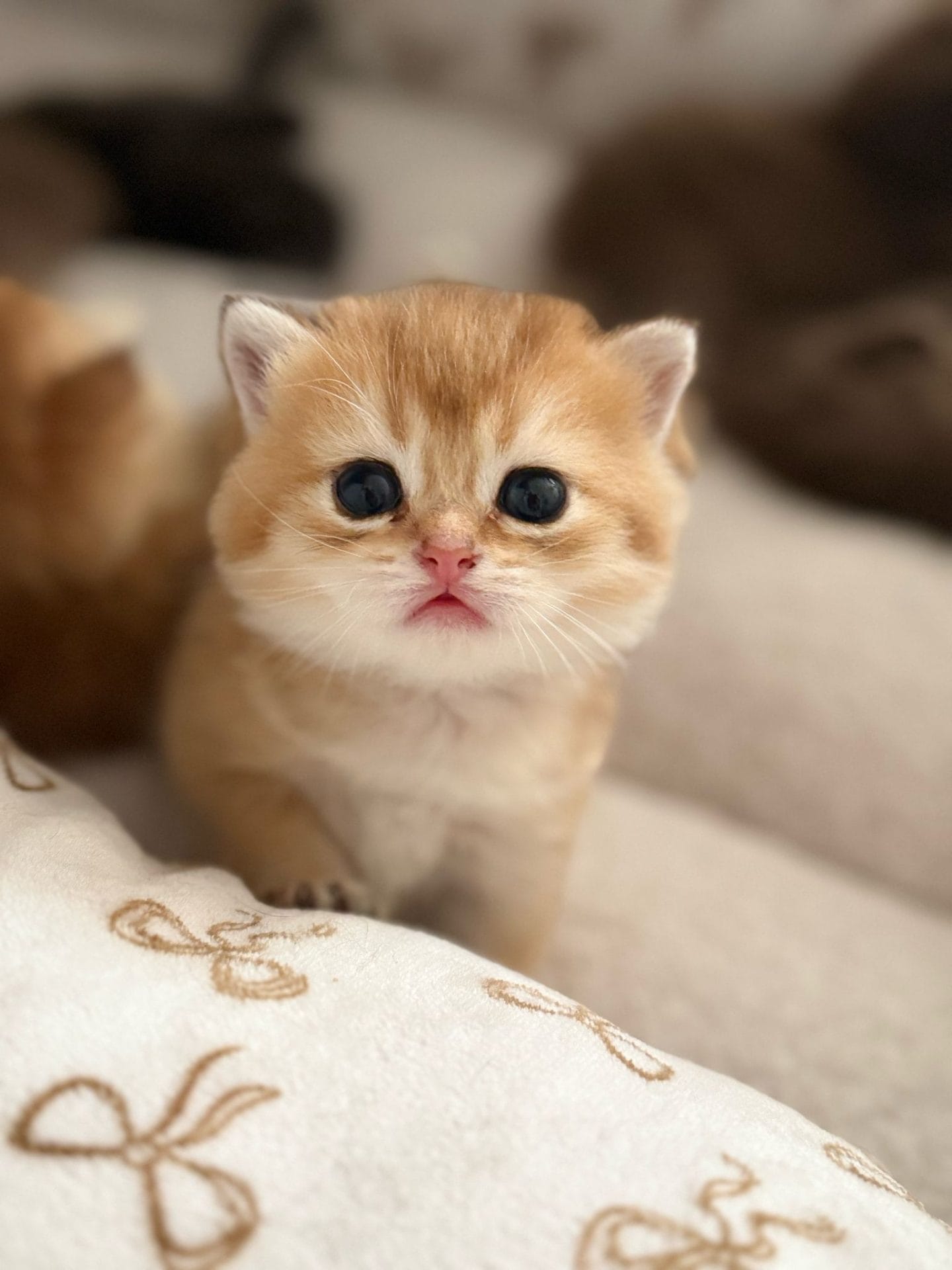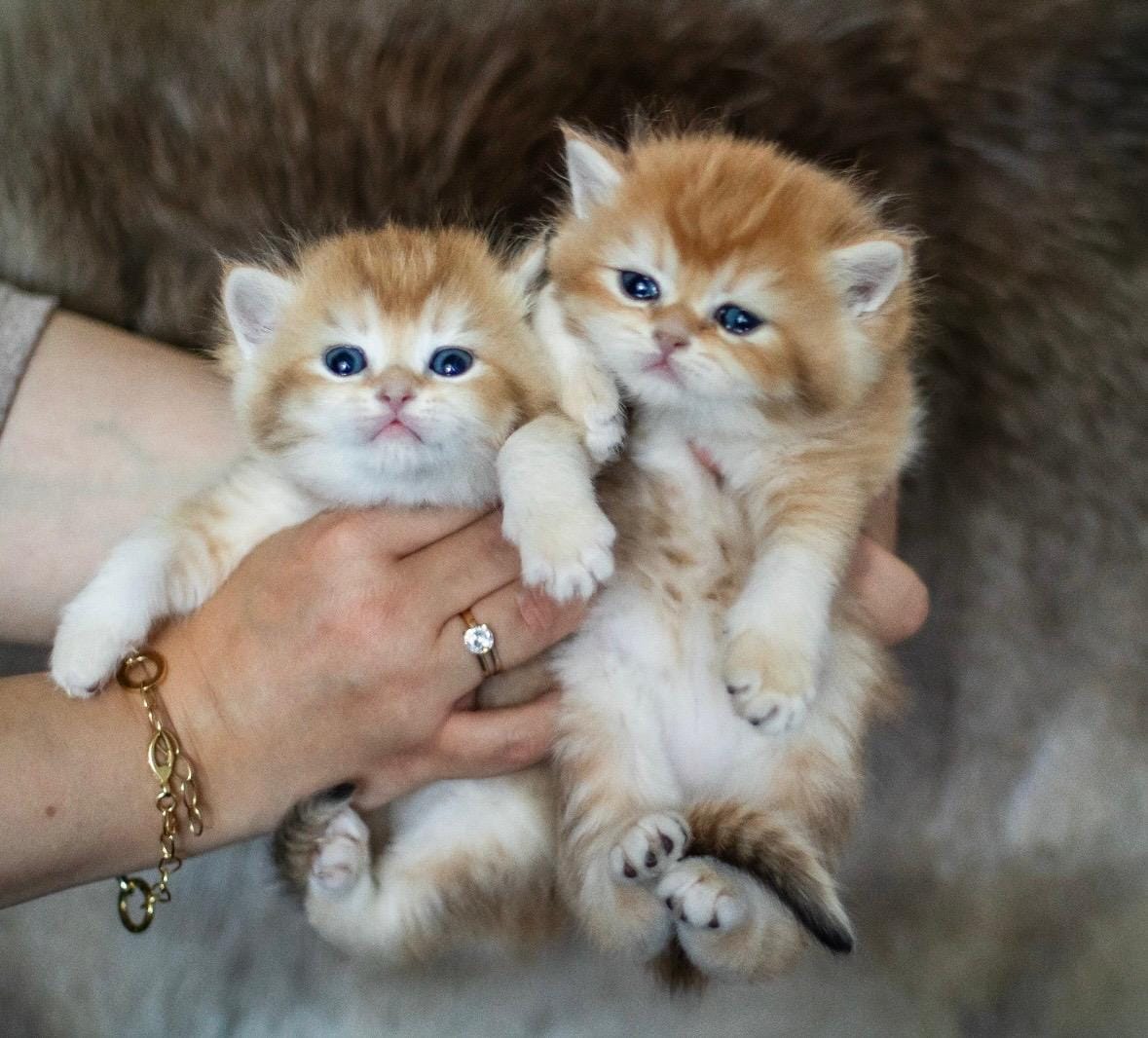

Ensuring proper nutrition is key to your British Shorthair diet in Jacksonville—designed to support their plush coat, moderate energy, and sturdy physique. Here’s how to feed your cat for lifelong health.
When we think about the nutritional needs of British Shorthair cats, we must first recognize their unique physical characteristics and temperamental traits. These cats are known for their robust build, dense coat, and calm demeanor. Their body structure requires a balanced diet that supports their muscular physique while also catering to their relatively low activity levels.
As responsible pet owners, we should ensure that our British Shorthairs receive a diet rich in high-quality proteins, essential fatty acids, vitamins, and minerals. This balanced approach not only promotes optimal health but also enhances their overall well-being. Moreover, British Shorthairs are prone to certain health issues, such as obesity and heart disease, which makes it even more crucial for us to pay attention to their dietary requirements.
A diet that is too high in carbohydrates or low in protein can lead to weight gain and other health complications. Therefore, we should focus on providing a diet that mimics their natural hunting instincts, which primarily consists of meat. By understanding their nutritional needs, we can make informed decisions that contribute to a long and healthy life for our feline companions.
Dry kibble is convenient and can help maintain dental health, but it may not provide enough moisture for our cats. On the other hand, wet food is often more palatable and hydrating, making it an excellent choice for those who may be prone to urinary issues.
When choosing food, we should also consider the specific life stage of our British Shorthair.
Kittens require a diet that is higher in calories and nutrients to support their rapid growth, while adult cats need a balanced diet to maintain their weight and energy levels.
Senior cats may benefit from specialized formulas that address age-related health concerns.
By carefully evaluating the options available and selecting high-quality brands that prioritize meat as the primary ingredient, we can ensure that our British Shorthairs receive the nutrition they need.
Establishing a feeding schedule and practicing portion control are essential components of responsible pet ownership for our British Shorthairs. These cats thrive on routine, and having set meal times can help regulate their metabolism and prevent overeating. We should aim to feed our cats two to three meals a day, depending on their age and activity level.
This approach not only helps maintain a healthy weight but also allows us to monitor their eating habits closely. Portion control is equally important in managing our British Shorthair’s diet. We must be mindful of the recommended serving sizes provided by the food manufacturer and adjust them based on our cat’s individual needs.
Factors such as age, weight, and activity level play a significant role in determining how much food our cats should consume. By measuring out portions and avoiding free-feeding, we can help prevent obesity and ensure that our feline friends remain healthy and active.
| Supplement | Purpose | Recommended Dosage |
|---|---|---|
| Omega-3 fatty acids | Supports skin and coat health | 1000mg per day |
| Probiotics | Improves digestive health | Follow package instructions |
| Taurine | Essential for heart and eye health | 250mg per day |
| Vitamin E | Antioxidant support | 200 IU per day |
In addition to a balanced diet, we may consider incorporating supplements into our British Shorthair’s nutrition plan. Supplements can provide additional support for specific health concerns or deficiencies that may arise over time. For instance, omega-3 fatty acids can promote healthy skin and coat, while glucosamine can support joint health, especially in older cats.
Before introducing any supplements, however, it is crucial for us to consult with a veterinarian to determine what is appropriate for our individual cat’s needs. Furthermore, we should be cautious about the quality of supplements we choose. Not all products on the market are created equal; therefore, we must look for reputable brands that undergo rigorous testing for safety and efficacy.
By carefully selecting supplements that complement our British Shorthair’s diet, we can enhance their overall health and well-being while addressing any specific concerns they may have.
Weight management is a significant concern for British Shorthair owners due to the breed’s predisposition to obesity. As loving caretakers, we must be proactive in preventing weight gain by monitoring our cat’s diet and activity levels closely. Regular weigh-ins can help us track any changes in weight over time, allowing us to make necessary adjustments to their feeding routine or exercise regimen.
In addition to portion control and a balanced diet, encouraging physical activity is essential for maintaining a healthy weight in our British Shorthairs. Engaging them in playtime with interactive toys or providing climbing structures can stimulate their natural instincts and keep them active. By creating an environment that promotes exercise and being vigilant about their dietary intake, we can help our British Shorthairs lead healthier lives free from the complications associated with obesity.
Diet plays a crucial role in managing common health issues that may affect British Shorthair cats. For instance, these cats are prone to dental problems due to their unique jaw structure. We can help mitigate this risk by providing crunchy kibble or dental treats designed to promote oral health.
Additionally, incorporating ingredients that support dental hygiene into their diet can further enhance their overall well-being. Another common concern is urinary tract health. British Shorthairs may be susceptible to urinary crystals or stones due to their diet or hydration levels.
To address this issue, we should ensure that our cats have access to fresh water at all times and consider feeding them wet food to increase their moisture intake. Some specialized diets are formulated specifically to support urinary health; consulting with a veterinarian can help us determine if such options are appropriate for our cats.
As our British Shorthairs progress through different life stages, their dietary needs will change significantly.
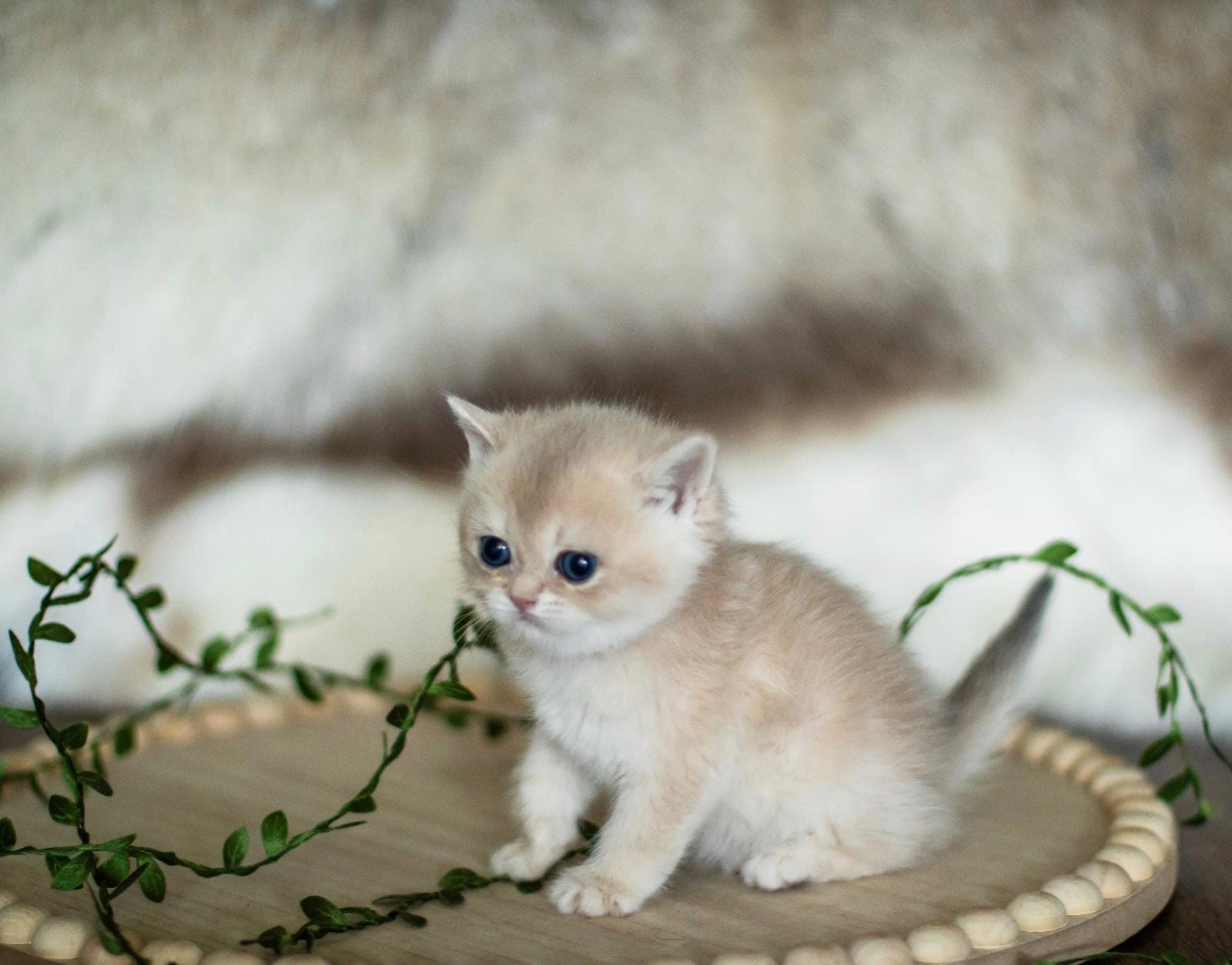
Kittens require a nutrient-dense diet rich in protein and fat to support their rapid growth and development.
We should look for high-quality kitten formulas that provide essential nutrients like DHA for brain development and calcium for strong bones.
Feeding them appropriately sized portions multiple times a day will help ensure they receive adequate nutrition during this critical growth phase. Conversely, senior British Shorthairs may require specialized diets that cater to their changing metabolism and potential health issues such as arthritis or kidney disease. These diets often contain lower calories while still providing essential nutrients to maintain muscle mass and overall health.
Additionally, incorporating joint-supporting supplements may be beneficial as they age. By being attentive to the specific dietary needs of both kittens and seniors, we can help our British Shorthairs thrive at every stage of life.
Ultimately, consulting with a veterinarian is one of the best steps we can take when it comes to our British Shorthair’s diet. Each cat is unique, with individual health concerns and dietary preferences that require personalized attention. A veterinarian can provide tailored recommendations based on our cat’s age, weight, activity level, and any existing health issues.
Regular check-ups allow us to stay informed about our cat’s nutritional needs as they evolve over time. Our veterinarian can guide us in selecting the right food types, portion sizes, and any necessary supplements while also helping us monitor our cat’s weight and overall health. By working closely with a veterinary professional, we can ensure that our beloved British Shorthairs receive the best possible care through proper nutrition tailored specifically for them.
If you are looking for more information on the diet of British Shorthair cats, you may want to check out this article on Pink Paws Cat website: British Shorthair Diet Guide. This article provides valuable insights into the nutritional needs of British Shorthair cats and offers tips on how to ensure they are getting the right balance of nutrients in their diet. It is a must-read for any cat owner looking to provide the best possible care for their British Shorthair feline companion.
The best diet for a British Shorthair cat is a balanced and high-quality cat food that is specifically formulated for their age, size, and activity level. It is important to provide a diet that is rich in protein and low in carbohydrates.
Both wet and dry food can be suitable for a British Shorthair cat. Wet food can help with hydration, while dry food can help with dental health. It is important to choose a high-quality food regardless of whether it is wet or dry.
Adult British Shorthair cats should be fed 2-3 times a day. Kittens may need to be fed more frequently. It is important to follow the feeding guidelines on the cat food packaging and adjust based on your cat’s individual needs.
British Shorthair cats should avoid foods that are toxic to cats, such as chocolate, onions, garlic, and grapes. Additionally, they should not be fed foods that are high in fat, salt, or sugar.
Treats can be given to British Shorthair cats in moderation. It is important to choose treats that are specifically formulated for cats and to limit the amount given to avoid overfeeding.