
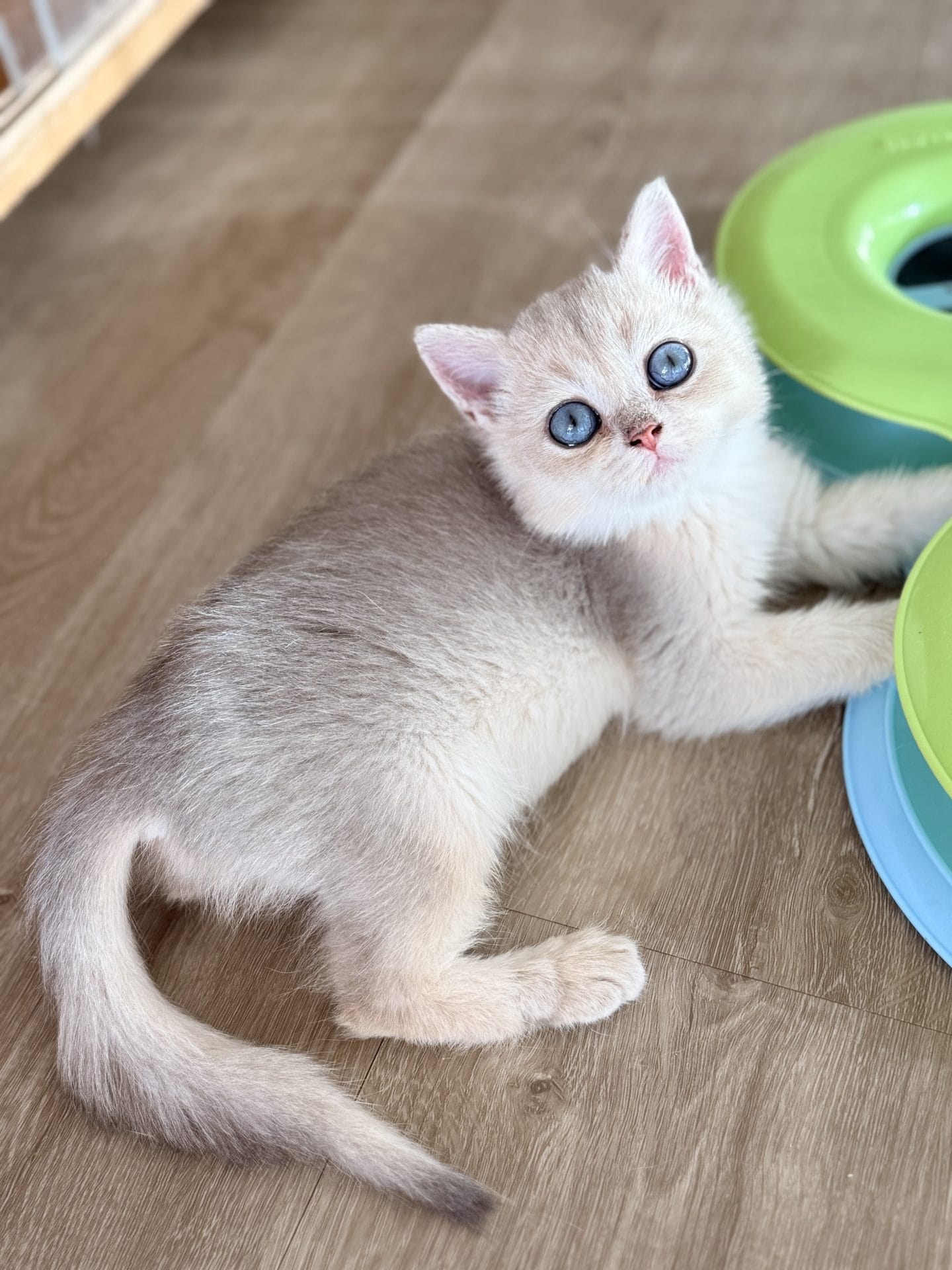
Many wonder if British Shorthair cats are hypoallergenic, especially in Jacksonville households. Unfortunately, like most breeds, British Shorthairs produce cat allergens and are not considered hypoallergenic. Here’s what you need to know—and allergy-safe alternatives worth considering.
When we think about hypoallergenic cats, we often envision a feline companion that won’t trigger our allergies. The term “hypoallergenic” suggests that these cats produce fewer allergens than their counterparts, making them more suitable for individuals who suffer from allergies. However, it’s essential to understand that no cat is entirely free of allergens.
Instead, hypoallergenic breeds tend to produce lower levels of the proteins that cause allergic reactions in sensitive individuals. These proteins are primarily found in cat saliva, skin, and urine, and they can become airborne or settle on surfaces, leading to allergic responses. As we delve deeper into the world of hypoallergenic cats, we discover that the level of allergens produced can vary significantly from one breed to another.
Some breeds are known for their lower allergenic potential, which can provide a glimmer of hope for those who long for the companionship of a cat but have previously been deterred by allergy concerns. Understanding the nuances of hypoallergenic cats allows us to make informed decisions about which breed might be the best fit for our lifestyle and health needs.
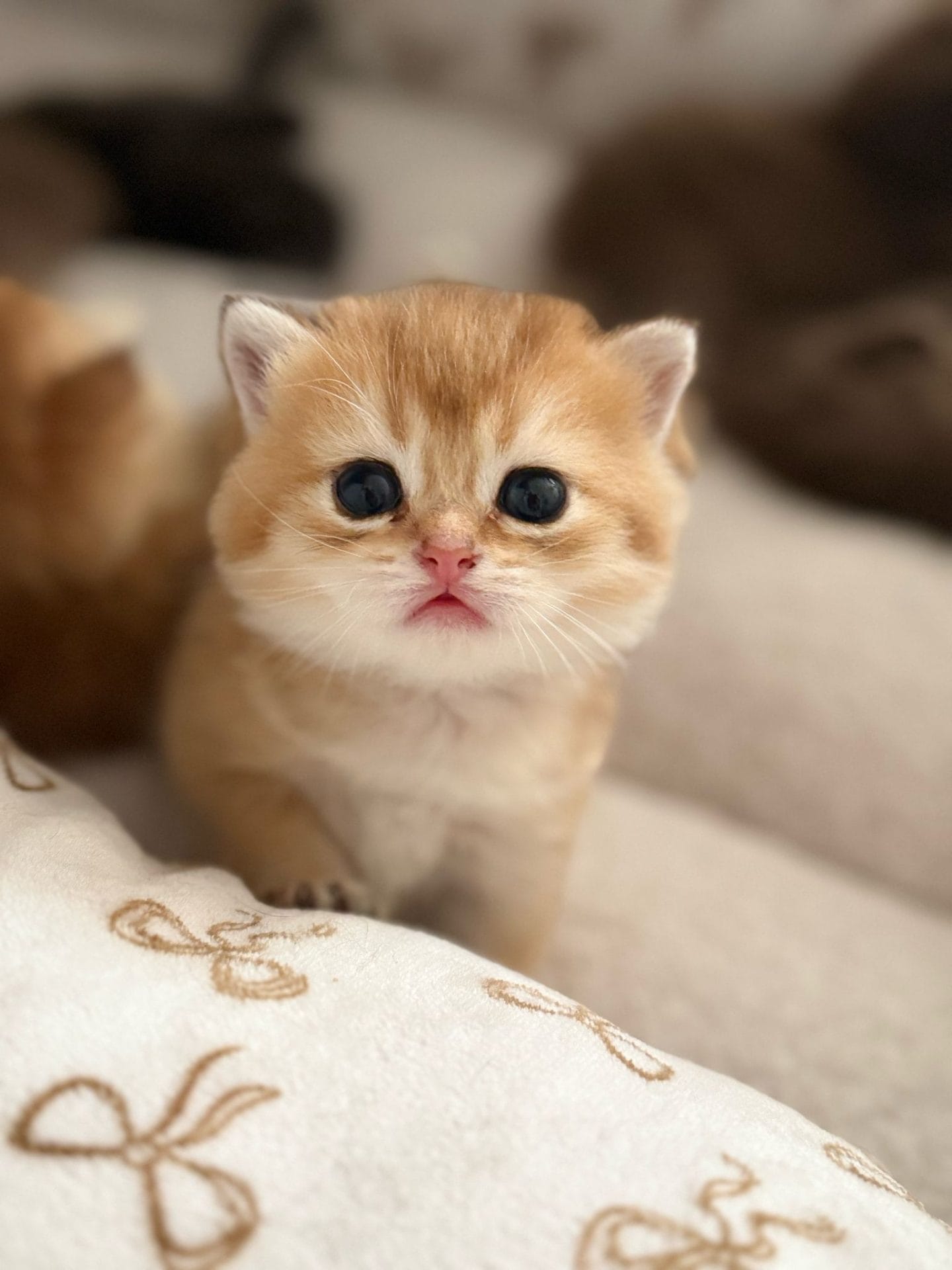
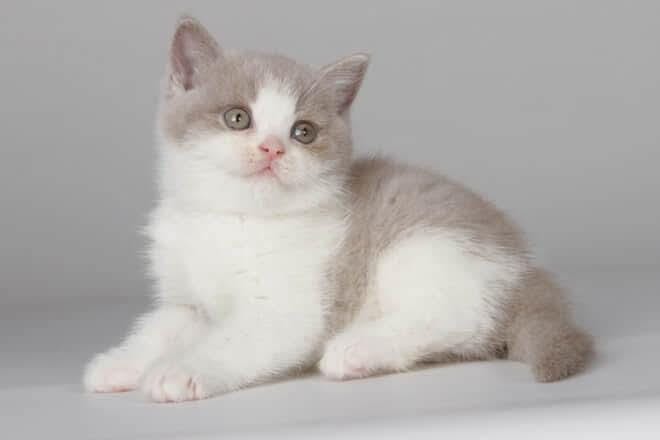
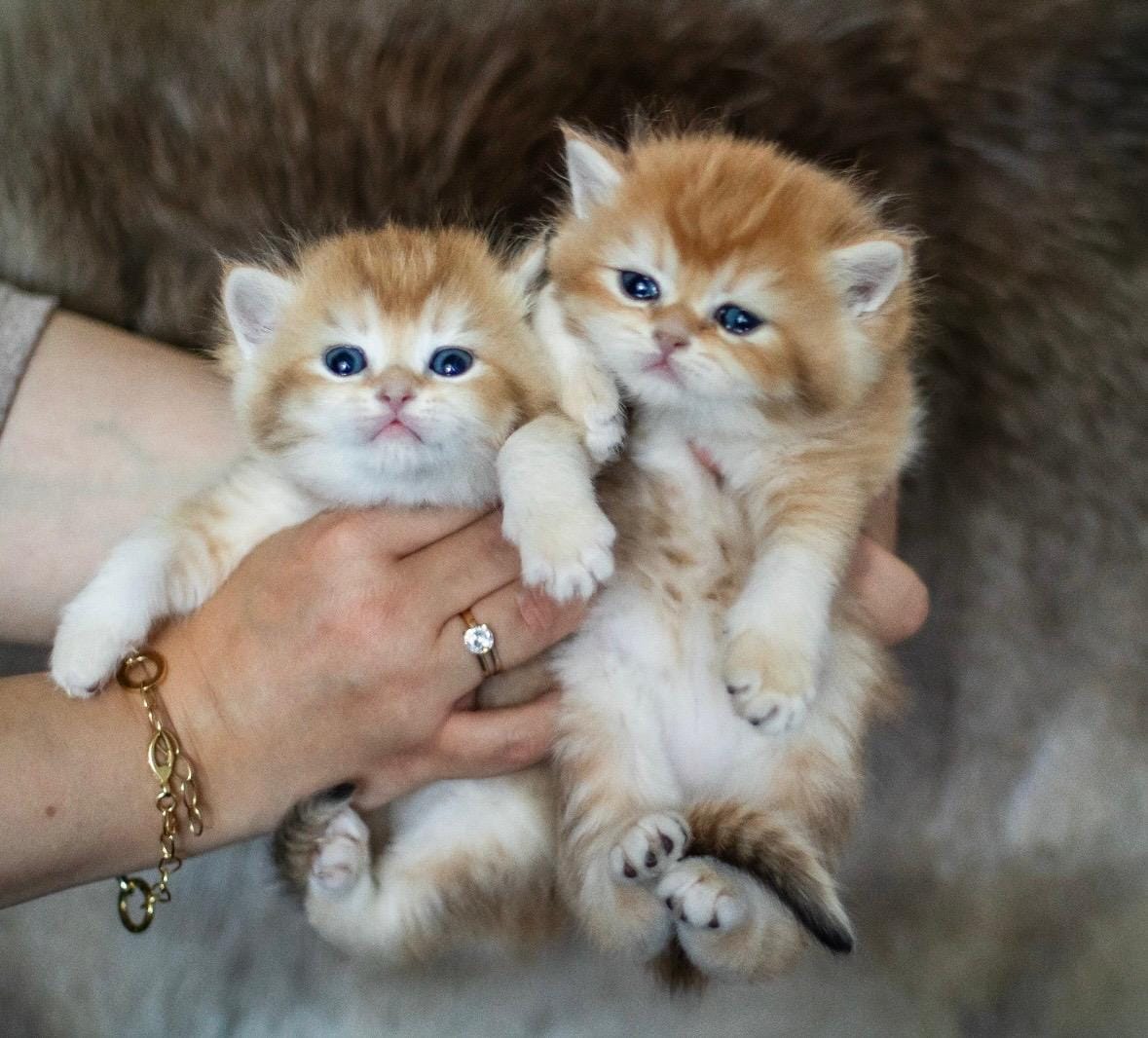
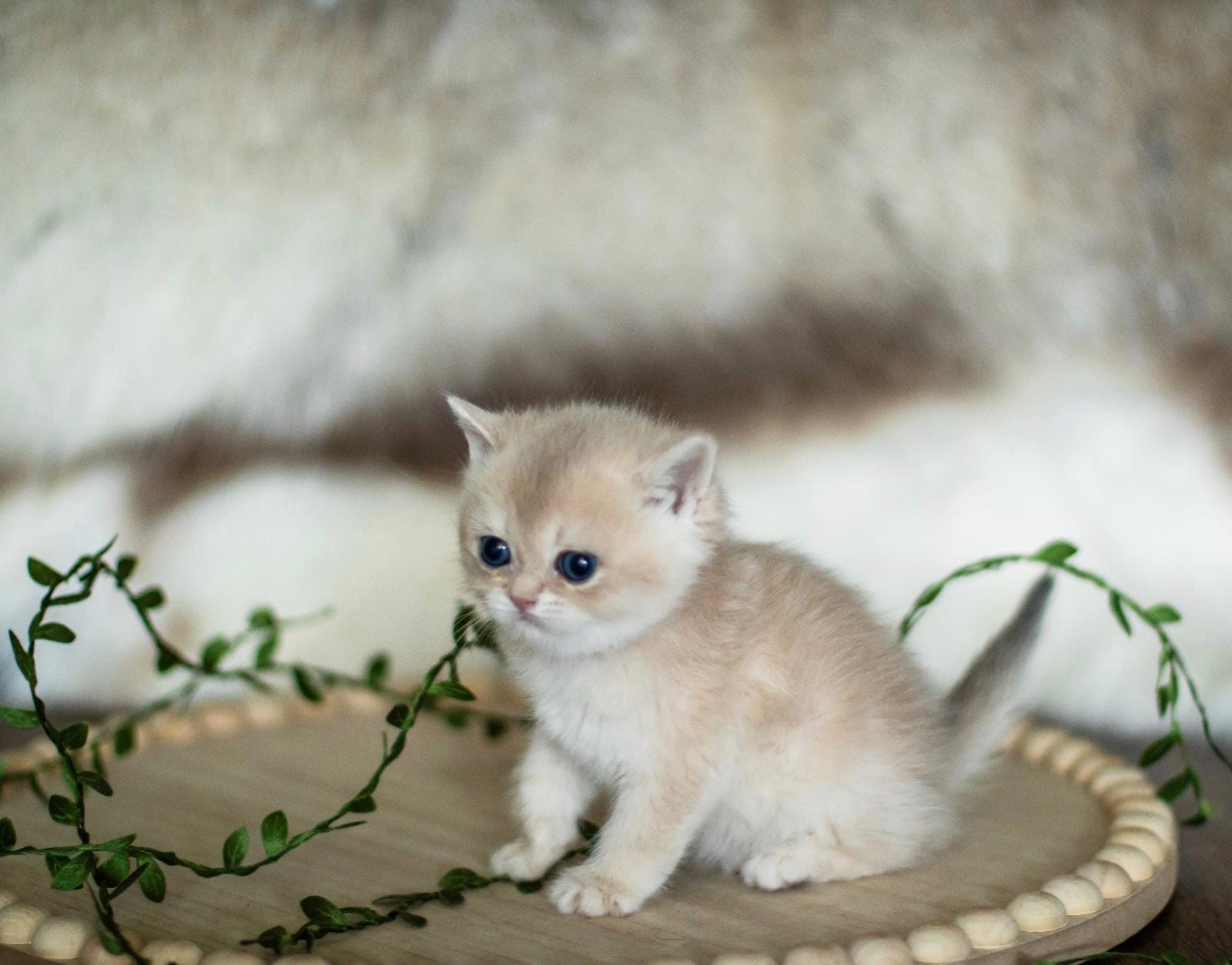
The British Shorthair cat is a breed that captivates many with its charming appearance and amiable personality. Known for their round faces, dense coats, and robust bodies, these cats exude a sense of strength and stability. Their plush fur comes in a variety of colors and patterns, but the classic blue-gray hue is perhaps the most iconic.
Beyond their physical attributes, British Shorthairs are celebrated for their calm demeanor and affectionate nature. They tend to be easygoing and adaptable, making them excellent companions for families and individuals alike. In addition to their striking looks, British Shorthairs possess a unique personality that sets them apart from other breeds.
They are known for being independent yet social, often enjoying the company of their human companions without being overly demanding. This balance makes them ideal pets for those who appreciate a cat that can entertain itself while still being affectionate. Their playful yet laid-back attitude means they can thrive in various living situations, whether in a bustling household or a quieter environment.
Understanding the causes of cat allergies is crucial for anyone considering bringing a feline friend into their home. The primary culprits behind cat allergies are proteins found in cat saliva, skin cells (dander), and urine. When cats groom themselves, they spread saliva onto their fur, which then dries and becomes airborne as tiny particles.
These particles can easily be inhaled or come into contact with our skin, triggering allergic reactions in sensitive individuals. Additionally, cat dander is composed of microscopic flakes of skin that can linger in the environment long after a cat has left the area.
For many people, exposure to these allergens can lead to a range of symptoms, including sneezing, itching, nasal congestion, and even asthma attacks.
It’s important to note that the severity of these reactions can vary widely from person to person. Some may experience mild discomfort, while others may face more severe health challenges. Understanding these causes helps us recognize the importance of choosing the right breed and implementing strategies to minimize exposure to allergens.
| Characteristic | Information |
|---|---|
| Breed | British Shorthair |
| Hypoallergenic | No |
| Coat Type | Short, dense, and plush |
| Shedding | Low to moderate |
| Dander Production | Low |
| Allergen Level | Low to moderate |
As we explore whether British Shorthair cats are hypoallergenic, we find that they are not classified as a hypoallergenic breed in the strictest sense. However, they do produce lower levels of allergens compared to some other breeds. This characteristic can make them a more suitable option for individuals with mild allergies who still wish to enjoy the companionship of a cat.
While no cat is entirely free from allergens, British Shorthairs may offer some relief due to their grooming habits and coat type. It’s also worth noting that individual reactions to cats can vary significantly. Some people may find that they can tolerate British Shorthairs better than other breeds due to their unique protein composition or lower shedding tendencies.
Ultimately, it’s essential for potential cat owners with allergies to spend time with British Shorthairs before making a decision. This firsthand experience can provide valuable insight into how their bodies react to this particular breed.
For those of us who decide to welcome a British Shorthair into our homes despite allergies, there are several strategies we can implement to minimize allergic reactions. First and foremost, regular grooming is essential. By brushing our cats frequently, we can help reduce the amount of loose fur and dander in our living spaces.
This not only benefits our health but also keeps our feline friends looking their best. Additionally, using a vacuum cleaner equipped with a HEPA filter can effectively capture allergens from carpets and upholstery.
Creating an allergy-friendly environment is another crucial step we can take.
Designating certain areas of our home as cat-free zones—such as bedrooms—can provide us with safe spaces where we can retreat from allergens. Investing in air purifiers with HEPA filters can also help reduce airborne allergens significantly. Furthermore, washing our hands after handling our cats and keeping surfaces clean can go a long way in managing allergy symptoms.
For instance, the Siberian cat is often cited as one of the more hypoallergenic breeds due to its unique coat structure that may trap allergens more effectively than other types of fur. Similarly, the Balinese cat is known for producing lower levels of Fel d 1 protein, which is responsible for many allergic reactions.
Other breeds worth considering include the Bengal, Devon Rex, and Cornish Rex. These cats have shorter coats or unique fur textures that may contribute to reduced allergen production.
As we explore these options, it’s essential to remember that individual reactions can vary widely; what works for one person may not work for another. Therefore, spending time with different breeds before making a decision is always advisable.
Managing cat allergies requires a proactive approach that combines lifestyle changes with practical strategies. In addition to grooming and cleaning routines, we should consider consulting with an allergist for personalized advice and potential treatment options. Allergy medications such as antihistamines or nasal sprays can provide relief from symptoms when necessary.
Immunotherapy may also be an option for those seeking long-term solutions to their allergies. Moreover, maintaining a healthy lifestyle can bolster our immune systems and help us cope better with allergens. Regular exercise, a balanced diet rich in antioxidants, and adequate hydration can all contribute to overall well-being.
By taking these steps alongside our love for cats, we can create a harmonious living environment that accommodates both our furry friends and our health needs.
In conclusion, deciding whether to bring a British Shorthair cat into our lives involves careful consideration of our allergy sensitivities and lifestyle preferences. While these charming felines may not be entirely hypoallergenic, their lower allergenic potential makes them a viable option for some individuals with mild allergies. By understanding the characteristics of British Shorthairs and implementing effective strategies for managing allergens, we can create a loving home that accommodates both our health needs and our desire for feline companionship.
Ultimately, the journey toward finding the right cat involves patience and exploration. By educating ourselves about different breeds and their unique traits, we empower ourselves to make informed decisions that enhance our lives while respecting our health concerns. Whether we choose a British Shorthair or another breed altogether, the bond we form with our feline companions is sure to bring joy and fulfillment into our lives.
If you are considering getting a British Shorthair cat but are concerned about allergies, you may want to check out an article on Pink Paws Cat website that discusses whether British Shorthair cats are hypoallergenic. You can find more information on this topic by visiting this link.
A British Shorthair cat is a breed of domestic cat that is known for its round face, dense coat, and sturdy build. They are a popular breed due to their friendly and easy-going nature.
No, British Shorthair cats are not considered hypoallergenic. While no cat breed is completely hypoallergenic, some breeds may produce fewer allergens than others. However, British Shorthair cats are not known for being low-allergen.
Allergies to cats are typically caused by a protein found in the cat’s skin, saliva, and urine called Fel d 1. When a cat grooms itself, the protein can be transferred to its fur and dander, which can then trigger allergic reactions in some people.
To reduce allergies to British Shorthair cats, you can try regular grooming to reduce the amount of loose fur and dander in the environment. Using air purifiers and keeping the cat out of certain areas of the home can also help minimize exposure to allergens.
While no cat breed is completely hypoallergenic, some breeds are known to produce fewer allergens than others. These breeds include the Balinese, Russian Blue, and Sphynx. It’s important to note that individual reactions to cats can vary, so it’s best to spend time with a cat before bringing it into your home if you have allergies.