
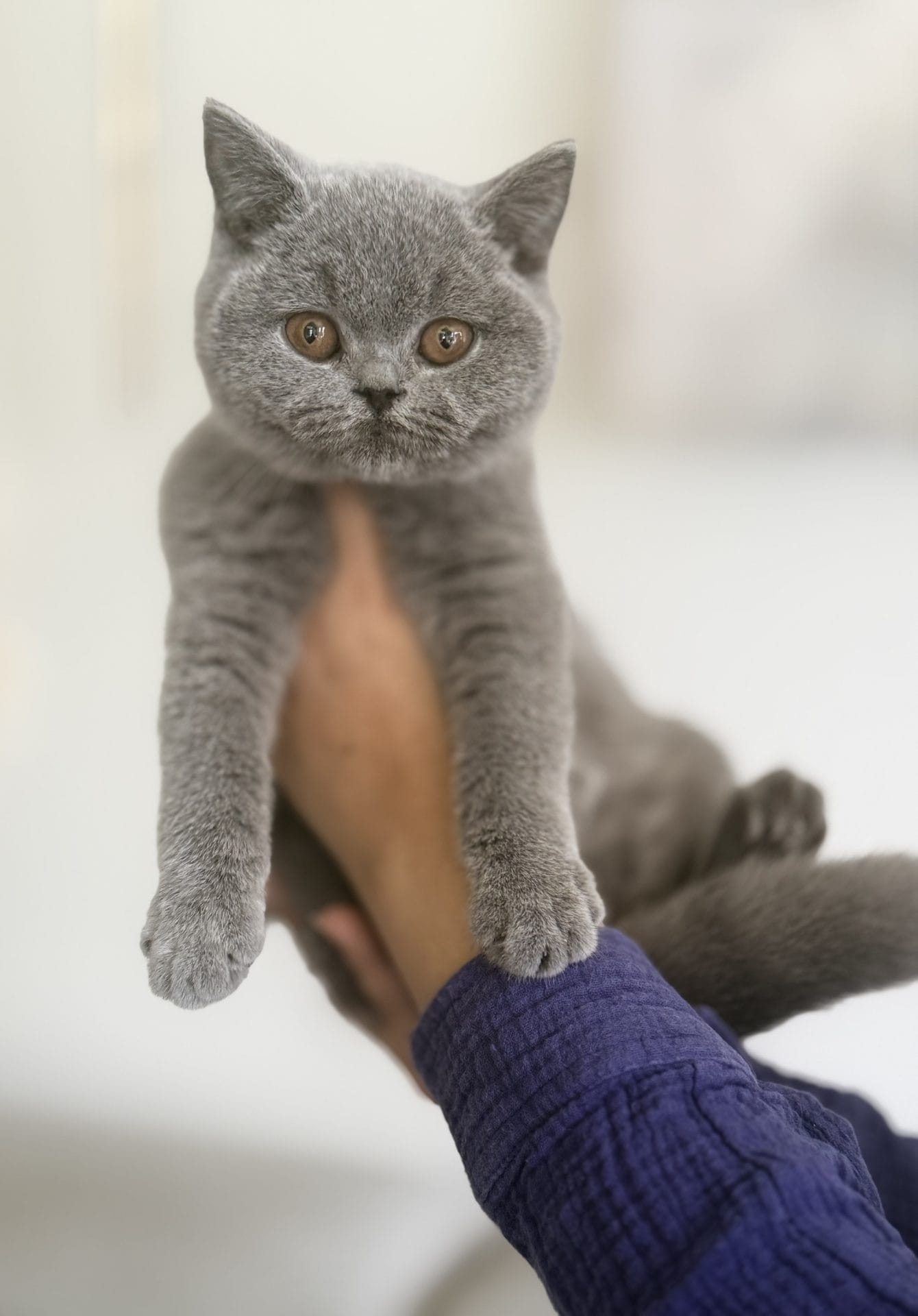
Discover the secrets of British Shorthair grooming in Jacksonville—from brushing and bathing to dental and nail care, we’ve got everything covered for your kitten’s coat and comfort.
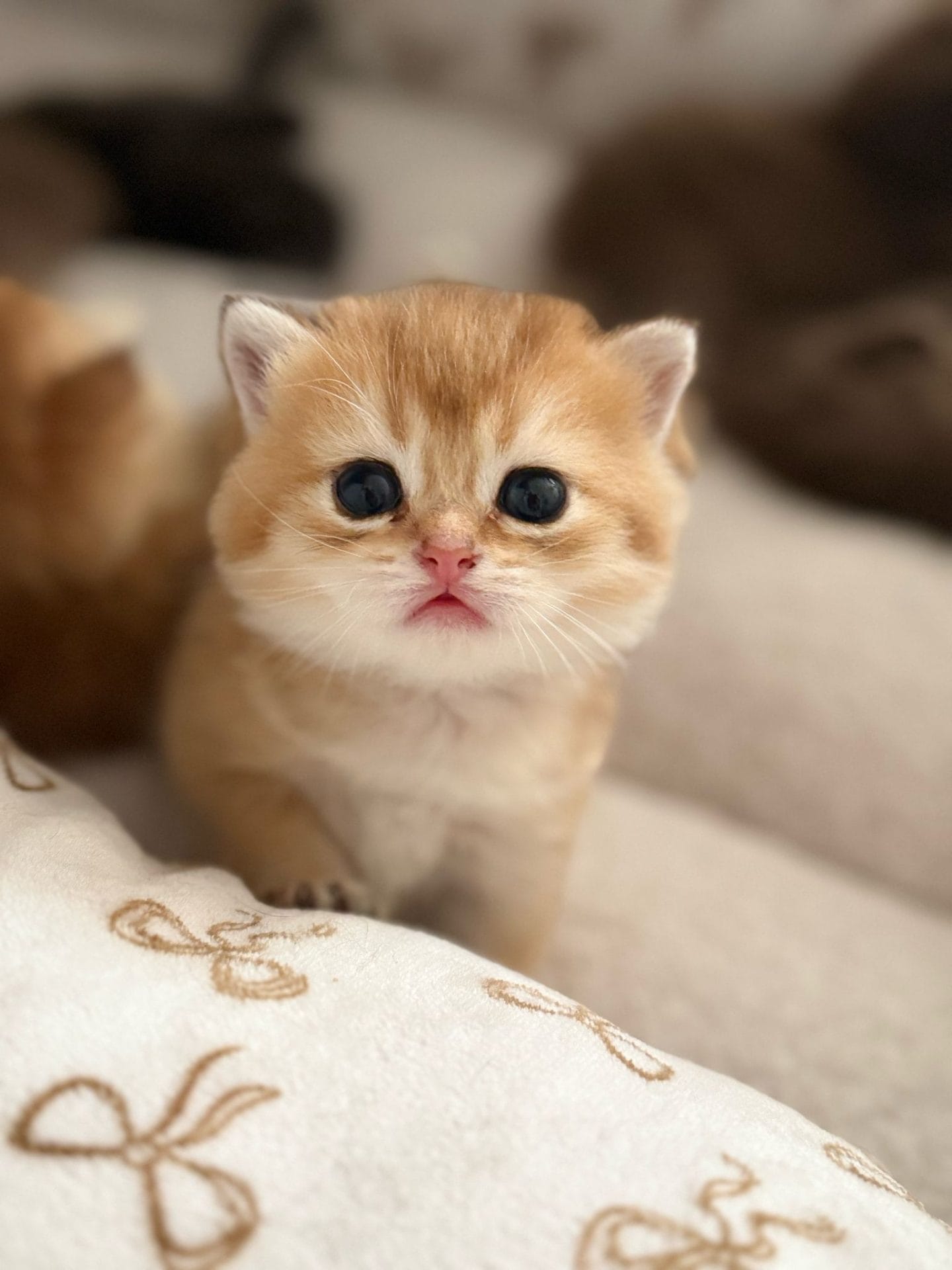
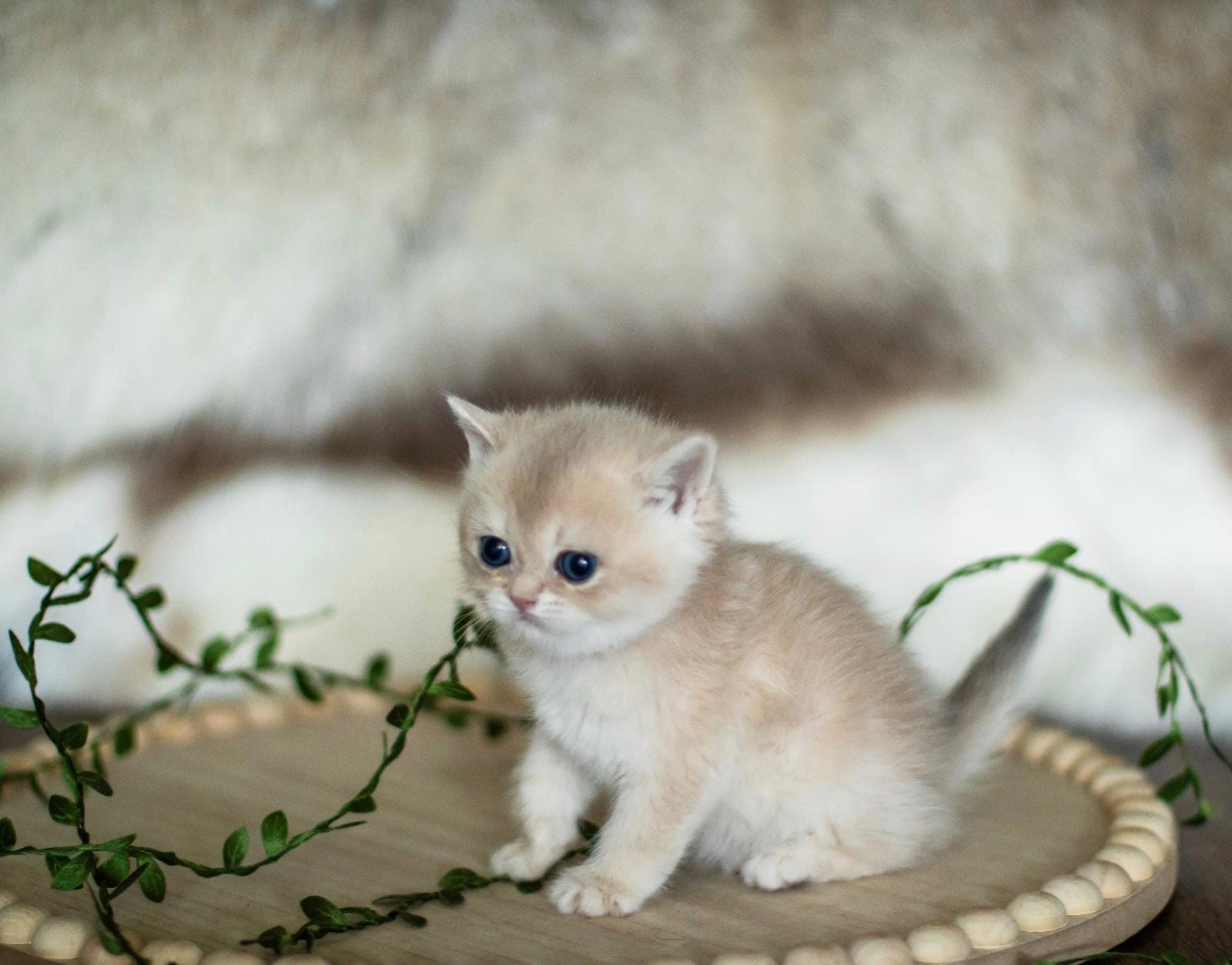
The British Shorthair is renowned for its plush, dense coat that not only adds to its charm but also requires a certain level of care and attention. This breed’s coat is characterized by a short, thick texture that feels almost like a soft cushion when we pet them. The unique structure of their fur, which stands away from the body, gives them a robust appearance and contributes to their overall appeal.
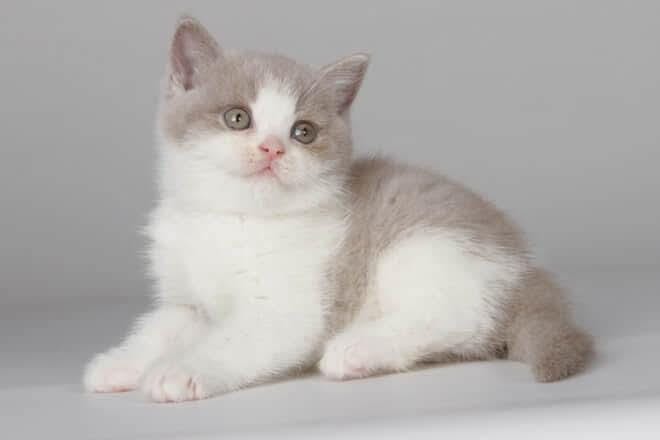
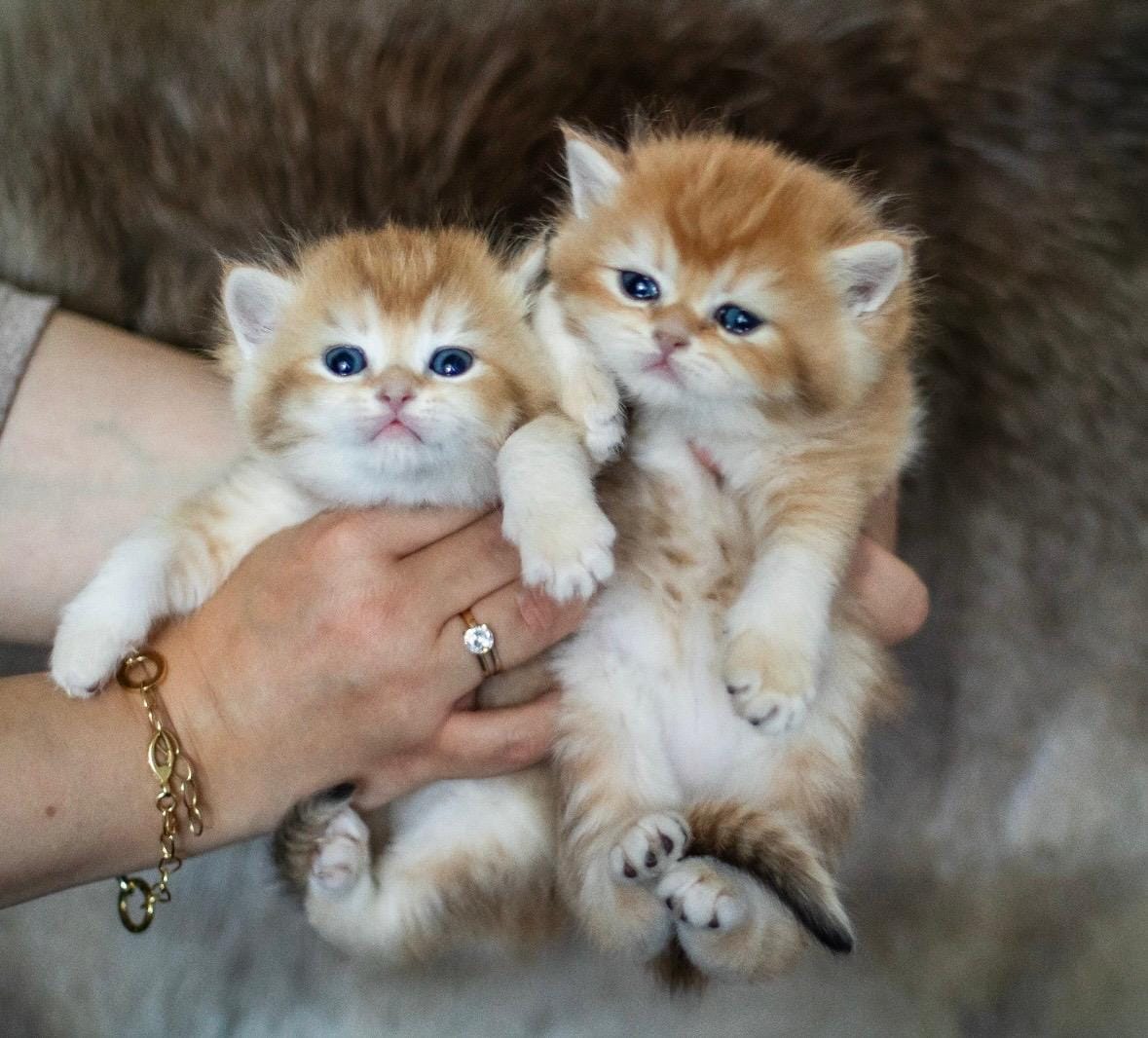
The coat comes in a variety of colors and patterns, including the classic blue, tabby, and even color-point variations. Understanding the nature of their coat is essential for us as owners, as it helps us provide the best grooming practices tailored to their specific needs. The British Shorthair’s coat is designed to insulate them against cold weather, but it can also trap dirt and debris.
This means that regular grooming is not just a luxury; it’s a necessity. We must be aware that their coat can become matted if neglected, especially in areas where they may sweat or where dirt accumulates. By familiarizing ourselves with the characteristics of their fur, we can better appreciate the grooming process and the importance of maintaining their coat’s health and appearance.
This understanding lays the foundation for effective grooming practices that will keep our feline friends looking their best.
When it comes to grooming our British Shorthairs, having the right tools at our disposal is crucial. We should start with a high-quality slicker brush, which is excellent for removing loose hair and preventing matting. The fine bristles of a slicker brush can penetrate through their dense coat, allowing us to reach the undercoat without causing discomfort.
Additionally, a rubber grooming mitt can be a great tool for those days when we want to give our cats a gentle massage while also collecting loose fur. This dual-purpose tool not only helps in grooming but also strengthens the bond between us and our pets. In addition to brushes, we should consider investing in a good quality comb.
A wide-toothed comb can help us detangle any knots that may form in their fur, especially around sensitive areas like the neck and behind the ears. For those who are particularly prone to matting, a dematting tool can be invaluable. It allows us to carefully work through any tangles without pulling on their skin.
Furthermore, we should not overlook the importance of using cat-friendly shampoos and conditioners during baths. These products are specifically formulated to maintain the natural oils in our cat’s coat while ensuring cleanliness. By equipping ourselves with these essential tools and products, we can make the grooming process more efficient and enjoyable for both us and our British Shorthairs.
Bathing our British Shorthairs may not be a frequent necessity due to their self-grooming habits, but there are times when a bath becomes essential—especially if they get into something messy or if they have skin issues that require special attention. When we decide to bathe our cats, it’s important to prepare adequately.
We should gather all our supplies beforehand, including cat shampoo, towels, and a non-slip mat for the tub or sink.
This preparation helps create a calm environment, reducing stress for both us and our furry companions.
When it comes to the actual bathing process, we should use lukewarm water and ensure that we wet their coat thoroughly before applying shampoo.
It’s crucial to avoid getting water in their ears and eyes, as this can cause discomfort or lead to infections.
We should gently massage the shampoo into their fur, taking care to rinse thoroughly to remove all product residue. After bathing, drying our British Shorthairs requires special attention as well. We can use a soft towel to gently blot their fur dry, avoiding vigorous rubbing that could lead to tangles or discomfort.
If our cat tolerates it, we might consider using a low-heat blow dryer on a cool setting to help speed up the drying process. However, we must always prioritize their comfort and safety during this step.
| Tip | Description |
|---|---|
| Use the right brush | Choose a brush that is suitable for your pet’s coat type, such as slicker brushes for long-haired pets and bristle brushes for short-haired pets. |
| Brush regularly | Establish a regular brushing routine to prevent mats and tangles, and to reduce shedding. |
| Be gentle | Use gentle strokes and be mindful of any sensitive areas to avoid causing discomfort to your pet. |
| Use a de-shedding tool | Incorporate a de-shedding tool into your grooming routine to effectively remove loose fur and reduce shedding. |
| Consult a professional | If you’re unsure about the best grooming practices for your pet, seek advice from a professional groomer or veterinarian. |
Regular brushing is one of the most effective ways to maintain our British Shorthair’s coat while minimizing shedding around the house. We should aim to brush them at least once a week, although more frequent brushing may be necessary during seasonal changes when they shed more heavily. When we brush our cats, we should start at the head and work our way down the body, using gentle strokes that follow the direction of hair growth.
This technique not only helps remove loose fur but also stimulates their skin and promotes healthy oil distribution throughout their coat. To effectively manage shedding, we can incorporate de-shedding tools into our grooming routine. A de-shedding tool is designed to reach deeper into the undercoat and remove loose hairs that regular brushes might miss.
We should use these tools with care, ensuring that we don’t apply too much pressure or pull on their skin. Additionally, we can make brushing sessions more enjoyable by offering treats or engaging in playtime afterward. This positive reinforcement helps our British Shorthairs associate grooming with pleasant experiences, making them more cooperative during future sessions.
Caring for our British Shorthair’s ears and eyes is an essential part of their overall grooming routine that often goes overlooked. Regularly checking their ears for dirt or wax buildup is crucial; we should gently wipe the outer ear with a damp cloth or cotton ball as needed. If we notice any unusual odors or excessive wax buildup, it may be wise to consult with a veterinarian to rule out infections or other health issues.
Keeping their ears clean not only prevents discomfort but also helps maintain their hearing health. Eye care is equally important for our British Shorthairs. We should regularly check for any discharge or redness around their eyes, as these could be signs of underlying health problems.
If we notice any crusty buildup, we can use a soft cloth dampened with warm water to gently wipe away any debris. It’s essential to use separate cloths for each eye to prevent cross-contamination. By incorporating ear and eye care into our grooming routine, we ensure that our cats remain healthy and comfortable while also enhancing their overall appearance.
Nail trimming is another vital aspect of grooming that we must not neglect. Overgrown nails can lead to discomfort for our British Shorthairs and may even cause injury if they get caught on furniture or carpets. We should aim to trim their nails every few weeks, depending on how quickly they grow.
Using specialized cat nail clippers will make this task easier and safer for both us and our pets. It’s important to familiarize ourselves with the anatomy of a cat’s nail so that we avoid cutting into the quick—a sensitive area that can cause pain and bleeding. In addition to nail care, dental hygiene is crucial for our British Shorthairs’ overall health.
We should establish a dental care routine that includes regular brushing with cat-specific toothpaste and toothbrushes designed for felines. Dental treats can also be beneficial in promoting oral health between brushing sessions. By prioritizing both nail trimming and dental care in our grooming routine, we contribute significantly to our cats’ well-being and longevity.
Managing shedding and matting in our British Shorthairs requires diligence and proactive measures on our part as owners. During shedding seasons—typically spring and fall—we may notice an increase in loose fur around the house. To combat this, we can implement daily brushing sessions during these times to help remove excess hair before it has a chance to settle on furniture or clothing.
Additionally, maintaining a clean living environment by vacuuming regularly will help minimize allergens associated with pet hair. Matting can be particularly troublesome if left unchecked; it often occurs in areas where fur is prone to tangling, such as behind the ears or under the collar. To prevent matting, we should keep an eye on these areas during grooming sessions and address any tangles promptly using a comb or de-matting tool.
If we encounter severe mats that are difficult to remove, it may be best to consult a professional groomer who has experience working with cats. By staying vigilant about shedding and matting issues, we can ensure that our British Shorthairs remain comfortable and well-groomed.
Establishing a consistent grooming schedule is key to maintaining our British Shorthair’s coat health while also fostering a positive relationship between us and our pets. We should aim for weekly brushing sessions as part of our routine; however, during peak shedding seasons or after particularly messy adventures outdoors, more frequent brushing may be necessary. By setting aside dedicated time each week for grooming, we create an opportunity for bonding while also keeping their coat in top condition.
In addition to brushing, we should incorporate other grooming tasks into our schedule as well—such as nail trimming every few weeks and dental care at least twice a week. Bathing can be done as needed but should not be overly frequent unless required for specific reasons like skin conditions or excessive dirtiness. By creating a comprehensive grooming routine that includes all aspects of care—from brushing to bathing—we ensure that our British Shorthairs remain healthy, happy, and looking their best throughout their lives.
In conclusion, grooming our British Shorthairs is an essential part of responsible pet ownership that goes beyond mere aesthetics; it plays a significant role in their overall health and well-being. By understanding their unique coat characteristics, utilizing appropriate tools, and establishing a consistent grooming routine, we can ensure that our feline companions thrive in both appearance and health.
If you’re looking for more information on grooming your British Shorthair cat, you may want to check out the article on Pink Paws Cat’s website. They offer valuable insights and tips on how to properly groom your feline friend to keep their coat healthy and shiny. You can find the article here.
The grooming routine for a British Shorthair cat includes regular brushing to remove loose hair and prevent matting, as well as occasional baths to keep their coat clean and healthy.
It is recommended to brush your British Shorthair cat at least once a week to remove loose hair and prevent matting. During shedding season, more frequent brushing may be necessary.
A soft-bristled brush or a grooming glove is ideal for grooming a British Shorthair cat. These tools help to remove loose hair and distribute natural oils throughout the coat.
British Shorthair cats do not require frequent baths, but an occasional bath may be necessary to keep their coat clean and healthy. Use a gentle cat shampoo and ensure thorough rinsing.
To keep your British Shorthair cat’s coat healthy, provide a balanced diet, regular grooming, and a clean living environment. Additionally, ensure they have access to fresh water and regular veterinary check-ups.